When Something Good Ends
Three Lessons From the Closing of a Thriving School

A few days ago, we held Field Day at our school. At one point, I was in front of every student and staff member attempting to do fifty pushups. Another teacher and I had a unique presentation for the students and there I was, trying to finish while the crowd counted every repetition and cheered me on. My wife was there too and I think she was really impressed. Another teacher snapped a picture.
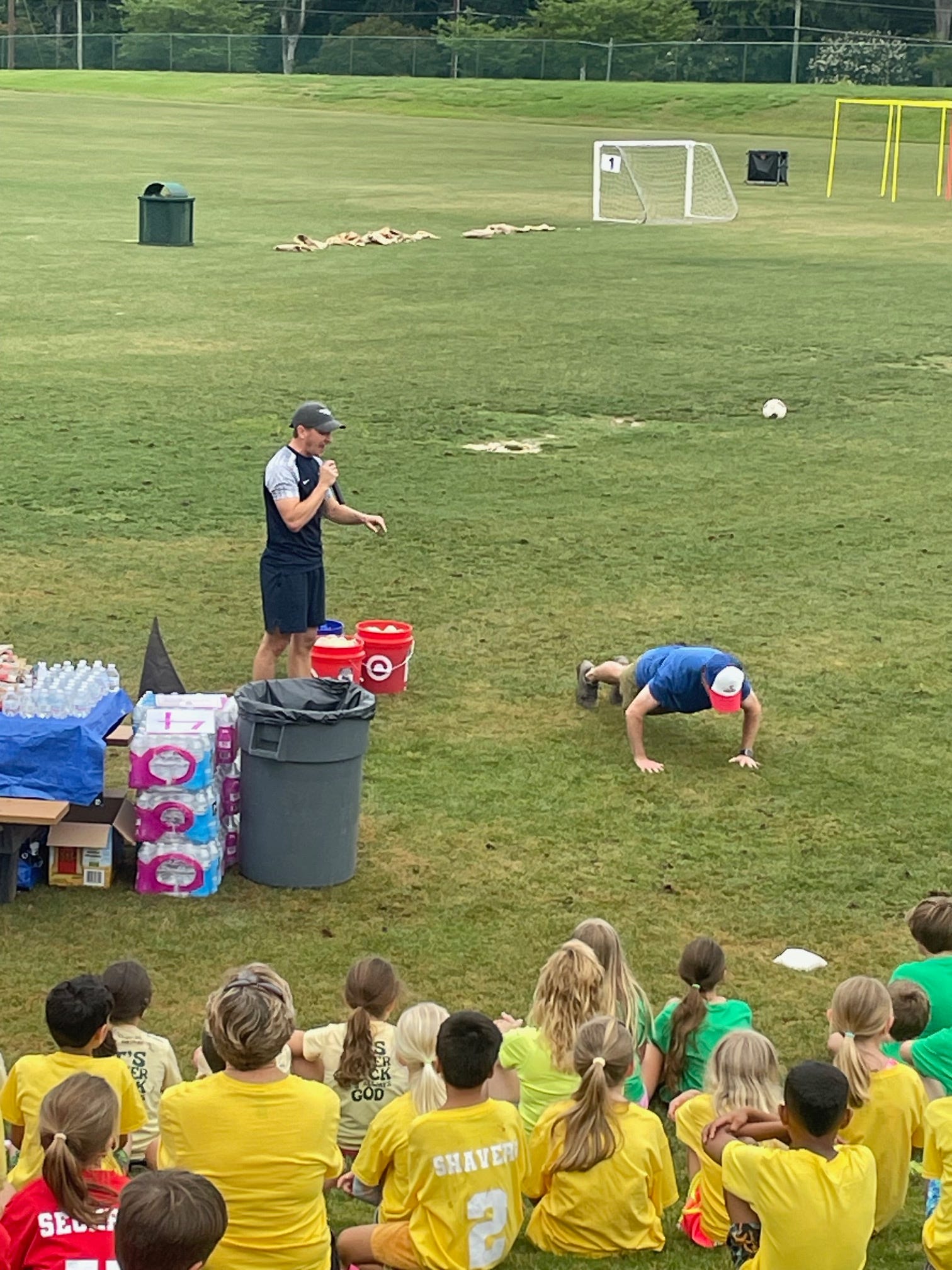
.When I look at that photo, I don’t really see the pushups. I see the students. I see laughter. I see teachers who had invested in kids, including my own. I see a wonderful community celebrating the end of the year. As I write this, I am cleaning up from the end of the year, just like my previous 22 years in education. A lot of these motions feel the same, yet I am also grieving because this school year marks the end of something very different.
The school where I have worked this year is closing. Over the past year, I have written frequently about thriving schools. I’ve thought deeply about what makes a school healthy, what helps students flourish, and what creates a culture where people genuinely enjoy being together. The irony is not lost on me. This was a thriving school. And yet it is closing.
The reasons are complex, and this isn’t the place to unpack them all. But as I’ve reflected on this season, I’ve found myself wrestling with a different question. What can we learn when something genuinely good comes to an end?
The first lesson is gratitude. It is easy to focus on what is being lost. Human nature tends to gravitate toward disappointment and regret. We replay alternate outcomes in our minds and wonder what might have been. But gratitude tells a different story. This school existed. For a season, students experienced something special here. Teachers poured themselves into their work. Families entrusted us with their children. Friendships were formed. Traditions were established. Lives were shaped.
The fact that something ends does not diminish its value. In fact, I think endings often reveal value. Nobody mourns the loss of something meaningless. We grieve because something mattered.
The second lesson is that thriving leaves a blueprint behind. One of the encouraging realities of this transition has been watching colleagues move into new opportunities at other schools throughout the area. They will be fine. More importantly, they are carrying something with them. They have experienced what a healthy school culture feels like. They know what strong relationships between teachers and students look like. They know what it means to work alongside people who genuinely care about children and about one another.
When you experience something excellent, it changes your expectations. You begin looking for it elsewhere. You begin trying to recreate it. In that sense, perhaps the school is not disappearing at all. Perhaps it is being scattered like seeds.
The final lesson may be the hardest. Life contains far more variables than we would like to admit. One of the comforting illusions of adulthood is believing that if we work hard enough, prepare carefully enough, and make enough good decisions, outcomes will eventually cooperate. Sometimes they do. Sometimes they don’t.
Schools close. Businesses fail. Relationships change. Plans take unexpected turns.
One of the humbling realities of life is discovering that faithfulness and outcomes are not always directly connected. We can do many things well and still encounter circumstances we would never have chosen. The older I get, the more I realize there is wisdom in distinguishing between what belongs in my hands and what never did.
As I think about this school closing, I keep coming back to that Field Day picture.
A photograph captures a single moment in time, but what makes the image meaningful is everything that happened before and after it. The same is true of schools. The buildings close and programs end, but the people carry the story forward.
Years from now, most students won’t remember every lesson that was taught in a classroom. They probably won’t remember every schedule, meeting, or event. They will remember how it felt. They will remember teachers who believed in them. They will remember friendships. They will remember moments that shaped them.
The school may be closing, but the formation remains.
And for that, I am incredibly grateful.