The Last Out
How baseball fields shape boys, fathers, and the stories we carry forward.

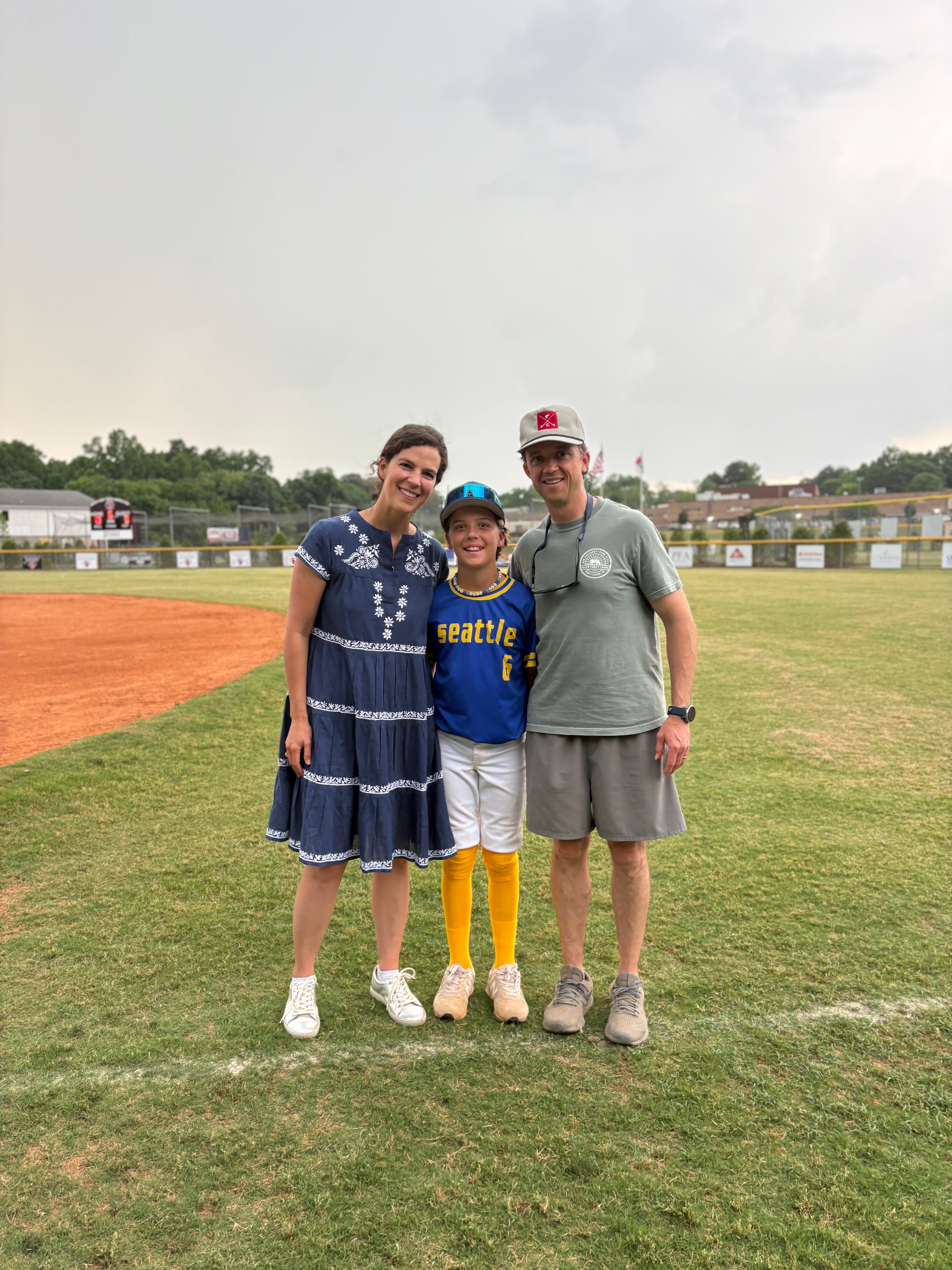
A couple weeks ago, my oldest son played his final baseball game in our community league. He played well over 100 games at our local fields with many of the same friends and coaches. He is aging out of this league and he will play baseball again in some form. There may be school teams, travel teams, or pickup games somewhere down the road. Baseball itself is not ending, but this chapter is.
The chapter of fall and spring evenings spent at our local fields. The chapter of familiar faces behind the fence, folding chairs lined up along the baselines, and conversations that seemed to pick up right where they left off the week before. The chapter of rushing from work to make first pitch and spending weekends watching boys slowly grow into young men. When the final out was recorded, my wife and I got a little emotional.
At first glance, it probably seemed like an overreaction. After all, it was just another youth baseball game. But it wasn’t really about the game. It was about recognizing that something good had come to an end.
For years, some of our favorite family memories have been built around baseball. We genuinely love watching our boys play. There is something deeply satisfying about sitting on a ballfield on a warm spring evening, watching kids compete, encouraging teammates, and developing confidence.
Over time, those experiences become woven into the rhythm of your life. Then one day you look up and realize the rhythm has changed. The chapter is over.
As I’ve gotten older, I’ve become more comfortable with that reality. It’s not because endings are easy because they are not. But because I’ve begun to understand that endings are part of what make seasons meaningful in the first place.
Life unfolds through chapters. Some are difficult enough that we are relieved when they end. Others never quite become what we hoped they would be, leaving us disappointed but ready to move forward. Then there are those rare seasons that seem to fit just right. They are filled with joy, purpose, and connection. When they close, we feel a mixture of gratitude and grief because we know they can never quite be recreated.
Most of life is lived somewhere in that tension.
As a Christian, I have come to believe that these chapters are not random interruptions to life. They are part of how God forms us. The joyful seasons shape us. The painful seasons shape us. Even the disappointing ones leave their mark. Formation rarely happens all at once. It happens slowly through thousands of ordinary experiences that seem insignificant in the moment but become meaningful when viewed in hindsight.
The older I get, the more I see another lesson hidden inside these endings. We have limits. There are limits to our time, our money, our energy, and our emotional capacity. We cannot do everything. We cannot be everywhere. We cannot hold onto every season forever.
One of the great responsibilities of adulthood is learning how to steward those limits wisely. That is especially true for fathers.
One of the most common questions asked in counseling offices when middle-aged men sit down to tell their stories is surprisingly simple: “What was your relationship like with your dad?”
The reason that question gets asked so often is because it reveals something important. It reveals formation. Listen carefully to how men answer, and you’ll often notice that they tell stories instead of listing accomplishments. “He was always at my games.” “He coached my team.” “He showed up.” “He made time for me.”
Those memories become anchors. Decades later, men often remember presence more than presents. They remember conversations more than accomplishments. They remember who was there.
I think many fathers instinctively understand this. That’s why so many of us spend countless evenings at ballfields, gymnasiums, auditoriums, and school events. We want our children to know we were there. But recently I’ve become convinced that there is something even deeper to strive for than simply being an involved dad.
We should aim to be intentional dads.
One of the most impactful books I have read over the last few years is The Intentional Father by Jonathan Tyson. In the book, Tyson describes creating a deliberate plan for his son’s development into adulthood. What struck me wasn’t a particular activity or milestone. It was the intentionality and he had a map of where he wanted to go with his son. He understood that boys do not accidentally become mature men. They are formed through experiences, relationships, challenges, responsibilities, and guidance over time.
That idea has stayed with me.
As I reflect on this baseball chapter closing, I hope the game formed something meaningful in my son. Not simply athletic ability, but character. I hope the long seasons taught him perseverance when things didn’t go his way. I hope he learned how to be a good teammate, how to handle disappointment, and how to celebrate success without arrogance. Most of all, I hope he learned that showing up, working hard, and caring about others brings value. Those lessons will outlast any batting average.
If he becomes a father himself, he’ll find himself sitting behind another baseball field watching his own child play. He may understand why his mother cried when the final out was made. Maybe he’ll realize that the tears were never about baseball. They were about gratitude. Gratitude for a season that shaped us. Gratitude for memories we could never have fully appreciated while we were living them. Gratitude for a chapter worth missing when it was over.
The goal is not to prevent chapters from ending, but it is to live them well while they last. And if we do, each chapter leaves behind something valuable. A lesson. A memory. A scar. A friendship. A deeper understanding of who we are becoming.
That is the gift of endings. They remind us that our time is limited, and because it is, it matters.
The seasons of life—I love retirement but grieve the loss of youthfulness. We can defy or embrace the changes.
Great article Eric.